

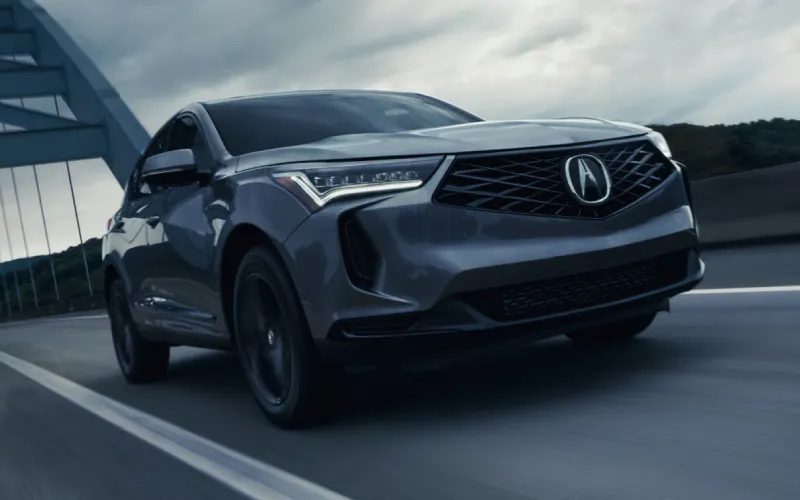
Which AWD System Delivers More Real-World Confidence for Columbus, OH Drivers — SH-AWD or Lexus AWD?
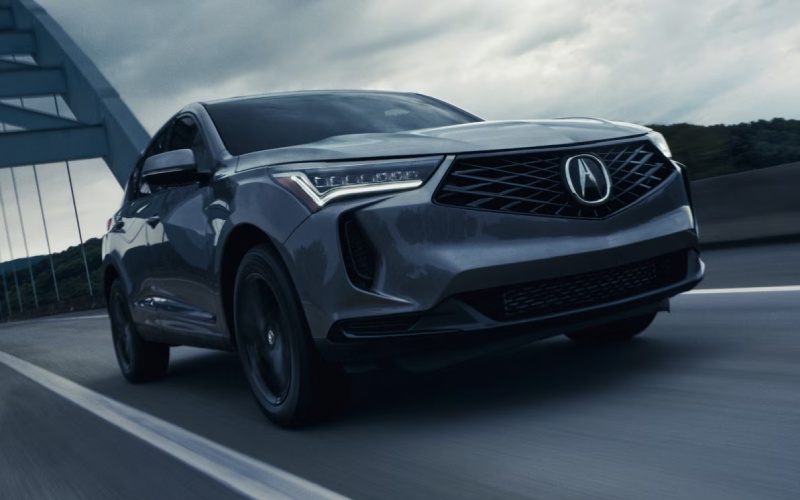
Acura Columbus – Which AWD System Delivers More Real-World Confidence for Columbus, OH Drivers — SH-AWD or Lexus AWD?
What shoppers are really asking about AWD
When drivers start comparing the 2026 Acura RDX and the 2026 Lexus NX, a common question surfaces quickly: which all-wheel-drive system inspires more confidence in daily driving and weekend getaways around Columbus, OH? On paper, both crossovers offer AWD. In practice, their systems take very different approaches to distributing power and managing traction when conditions or driving inputs change.
This deep dive answers that question in plain terms, then layers in how those differences feel on real roads—merging onto I-270, threading through the off-ramps near Grandview, or winding out to Alum Creek on a rainy Saturday morning. The goal here is not only to compare features, but to map them to situations you face regularly, so you can decide which approach fits your style, commute, and adventures.
The RDX’s SH-AWD®: torque vectoring with purpose
Acura’s Super Handling All-Wheel Drive™ (SH-AWD®) is more than traction-on-demand; it is a performance tool. Under throttle, the system can actively distribute torque not only front-to-rear, but side-to-side across the rear axle, sending more power to the outside rear wheel to help the RDX rotate into a corner. The effect is subtle but unmistakable—turn-in feels cleaner, mid-corner composure increases, and exit traction builds with less steering correction.
On a tight ramp or a cloverleaf, that means fewer small inputs and a calmer, more predictable arc. In a fast merge during a brief opening, SH-AWD® works with the 10-speed automatic to put power down crisply. When the road is damp and temperatures drop, torque vectoring continues to reduce the episode of front push or rear wiggle you might otherwise feel in quick transitions.
Lexus NX AWD: confident, but not vectoring
The Lexus NX uses a sophisticated AWD system that varies torque from the front to the rear to maintain stability and traction. In everyday use, this provides surefooted launches and poise in poor weather. On NX F SPORT Handling models, Adaptive Variable Suspension (AVS) adds body control and a more buttoned-down feel over ripples and expansion joints.
What the NX does not offer, however, is the kind of rear-axle torque vectoring that can meaningfully adjust yaw to assist turn-in and corner exit. That difference shows up during sharper maneuvers, like a late-lane-change on US-33 or when powering away from a tight side street with a quick steering input. The NX remains stable and composed, but the RDX feels more eager to follow your hands.
How this plays out on familiar Columbus roads
Think about three common scenarios: entering a fast-moving highway, sweeping through a curved on-ramp, and navigating wet city streets with manhole covers and painted lines. The RDX’s SH-AWD® steps in smoothly during each, trimming the need for micro-corrections in your hands and helping you maintain a steady throttle. That subtle calm is what many owners notice most during test drives—they arrive at speed with fewer steering adjustments.
The NX’s AWD is plenty confident in a straight-line merge and settles nicely in a long, gentle arc. It is when you ask for an extra degree of rotation or settle the chassis quickly after a lane change that SH-AWD® differentiates itself, feeling more athletic without sacrificing comfort.
Beyond AWD: the chassis and transmission factor
AWD is only part of the story. The RDX’s 10-speed automatic keeps the 272-HP VTEC® Turbo in the heart of its powerband, while the available Adaptive Dampers and dual-pinion, variable-ratio steering sharpen your connection to the road. Lexus counters with an 8-speed automatic on the turbocharged NX 350 and AVS on F SPORT Handling trims. Both are well-tuned; the Acura setup, though, complements the SH-AWD® character with more granular control over shift points and damping, yielding a cohesive, “tuned as a system” feel.
This matters when you are taking the long way home along the Scioto, or making quick time to youth sports across town—how a vehicle responds to stacked inputs (brake, turn, throttle) is the hallmark of a balanced chassis.
Practical benefits you will notice day one
While enthusiasts talk in terms of rotation and yaw, everyday drivers notice the RDX feels planted turning left across traffic, resists drama when accelerating onto a short on-ramp, and maintains composure through patched asphalt without bobbing. That planted confidence is what you and your passengers perceive as “calm.” It contributes to lower fatigue after a long day and more consistent reactions when a drive throws you a surprise.
The NX brings its own strengths—especially if you value hybrid or plug-in options—but the AWD sensation itself, in like-for-like turbo models, is more traditional: stable and sure, with less of the cornering assist that SH-AWD® quietly provides.
Feature comparisons that support the AWD story
AWD differences are reinforced by feature choices. The RDX makes a Panoramic Moonroof standard, pairs precise controls with the True Touchpad Interface™, and offers the ELS STUDIO 3D® Premium Audio System. The NX answers with its Lexus Interface touchscreen and available Mark Levinson audio, along with F SPORT tuning on specific trims. The right pick depends on how you want your luxury to feel—hands-on and sporty, or more screen-centric and plush.
- AWD philosophy: SH-AWD® adds rear-axle torque vectoring; NX AWD varies front-to-rear torque without vectoring assist.
- Chassis tuning: RDX offers Adaptive Dampers and dual-pinion steering; NX F SPORT Handling brings AVS and performance dampers.
- Driver connection: RDX’s 10-speed helps keep the turbo on boil; NX’s 8-speed is smooth but less configurable in fine increments.
Frequently Asked Questions:
Does SH-AWD® make a difference in everyday driving or only on twisty roads?
It helps everywhere. In daily use, SH-AWD® trims steering corrections during merges and lane changes, improves corner exit on ramps, and adds stability when surfaces are slick. On curvier routes, the torque vectoring becomes easier to feel, helping the RDX rotate into the turn with less steering effort.
How do the RDX and NX compare in bad weather?
Both systems are adept in rain and light snow. The RDX’s torque vectoring provides an extra layer of composure when accelerating while turning—exactly the situation that can make many AWD vehicles feel unsettled. The NX remains poised, with smooth torque transfer front-to-rear, and is especially efficient in its hybrid variants.
Is the NX’s F SPORT Handling package the same as SH-AWD®?
They aim at similar outcomes—confidence and control—but get there differently. F SPORT Handling adds Adaptive Variable Suspension and chassis bracing for body control. SH-AWD® adds active torque vectoring for cornering assist. Many drivers feel the RDX’s system changes how the vehicle rotates, while the NX package refines how it rides.
If you are mapping these differences to your life, consider where you drive most, and how your vehicle should react when you ask for a quick lane change or a confident merge. One test drive often clarifies it immediately.
Ready to explore the RDX’s AWD feel back-to-back with an NX? Our team at Acura Columbus can outline routes that highlight both vehicles’ strengths—serving Dayton, Columbus, and Pickerington—with a focus on how each system behaves in real time. That way, you can choose based on what you feel, not just what you read.
Bottom line: If you want a luxury crossover that actively helps you carve a cleaner line and settle more quickly in transitions, the RDX’s SH-AWD® stands out. If your priorities lean toward electrified choices and a plush, screen-forward cockpit, the NX’s lineup is worth a look. Most Columbus, OH shoppers who prioritize confident handling and consistent engagement come away leaning Acura.